
SIRA CCTV Inspections 2026 | Complete Compliance Guide
Security Industry Regulatory Agency (SIRA) Inspections | What Inspectors Actually Check on CCTV Jobs (2026)
Dubai has become an advanced country around the world that is concerned about the security industry. SIRA plays the most important role in maintaining the standards. It doesn’t matter whether it’s a small business, a villa, a commercial building, a warehouse, an open yard, or a mall, SIRA CCTV systems are mandatory.
CCTV companies follow all the SIRA rules carefully. It prevents delays, fines, and rejections. Let’s look at how inspectors actually check on CCTV jobs (2026):
Introduction to SIRA and Its Role in CCTV Projects
SIRA stands for the Security Industry Regulatory Agency. It operates all the systems under the Dubai Government. This system is designed to ensure that all the security systems in the city follow the highest quality and safety standards. SIRA CCTV has very strict rules of camera types, recording duration, installation quality, storage setup, device placement, even control room design and cabling. They do not allow anyone to follow shortcuts or weak installations. The purpose of the CCTV systems is to protect the property. It is also helpful in investigations when needed.
In Dubai, many types of properties cannot operate without the proper SIRA CCTV approval. Whether it is hotels, banks, retail shops, warehouses, restaurants, salons, buildings under construction, apartments, parking areas, schools, and many other should follow the SIRA compliance. All the properties must install CCTV installation services in Dubai install SIRA-approved cameras, recorders, servers, and storage solutions. Every property is responsible for completing the project with an SIRA-licensed company.
When a company completes a project, the SIRA inspection team comes to verify the final project. When the final check completes after that, if the Inspector approves it, then the client receives the SIRA NOC. This NOC is definitely required for licensing, business operations, renewal, and other official matters. That’s why an affordable inspection can cause delays and extra costs. To avoid rejection after the completion, understand the SIRA rules first and implement them to avoid any issues. Because an inspection check is very important and must be done.
CCTV companies follow all the SIRA rules carefully. It prevents delays, fines, and rejections. Let’s look at how inspectors actually check on CCTV jobs (2026):
Why SIRA Inspections Matter So Much?
SIRA inspections really matter in Dubai because CCTV system installations are not just to fulfill formality. These are installed for real-life security needs. Dubai is known for its safety, and SIRA’s standards help to maintain that. It’s literally important to check the installation after completion. If an installation is weak or cannot capture the important evidence, then the purpose of the installation will fail.
Poor cabling can also cause to loss of the video. Wrong camera placement and incorrect recording settings can create spots on the screen and cause old footage to overwrite early. All these situations can be dangerous, especially during the investigations. SIRA inspections also protect the customers. So many clients do not understand CCTV Technology and its importance.
The use of cheap equipment, avoiding proper wiring, and skipping important steps just for the sake of some pennies. SIRA can prevent us from so many issues and check every detail properly. If SIRA inspection passes your work, it means that you have proven that your system is safe, secure, perfectly installed, and definitely ready for use.

The Starting Point: Pre-Inspection Preparation
Before an inspector visits the site, the installation company must make sure everything is ready. Preparation includes system testing, document organization, cable labeling, and site cleanup. This is an important step because if the inspector notices that something is unprepared.
He will become stricter and begin further investigation. A neat, organized structure creates a positive image and increases trust. In 2026, SIRA will focus more on proper documentation. The whole inspection procedure could be delayed if the paperwork is incorrect or incomplete.
The installer must prepare all necessary documentation, such as the project design, camera arrangement, device details, test reports, and compliance certificates. Once everything is ready, the inspection request is filed through the SIRA platform, and the inspection day appointment is set up properly.
What SIRA Inspectors Check When They Arrive
When the SIRA inspectors start the on-site inspection, it is common to start with a walkthrough. They get a sense of what the property needs by looking at the overall surroundings while figuring out the type of place. When they meet the installation person, they ask about the project’s basic details.
Documentation review, device verification, camera physical inspection, recording system testing, storage checks, network assessment, and compliance evaluation are all part of the typical step-by-step inspection process. The inspector ensures that every requirement is fulfilled. Below is a basic explanation of each component of the inspection. Let’s get into:

1. Checking the Project Documentation
SIRA inspectors carefully review all project documents, as proper documentation is the foundation of any construction or installation. The paperwork ensures that the approved proposal design exactly matches the actual installation. Inspectors verify camera quantities, storage calculations, device models, and manufacturer compliance certificates.
Only SIRA-approved brands and models are allowed in Dubai. If any unapproved equipment is used, the inspection fails and reinstallation with approved devices becomes mandatory. The camera layout plan must also match the real site installation. Any mismatch can lead to rejection. Therefore, all documents must be accurate, complete, and properly formatted to avoid delays or failure.
2. Camera Placement and Coverage Review
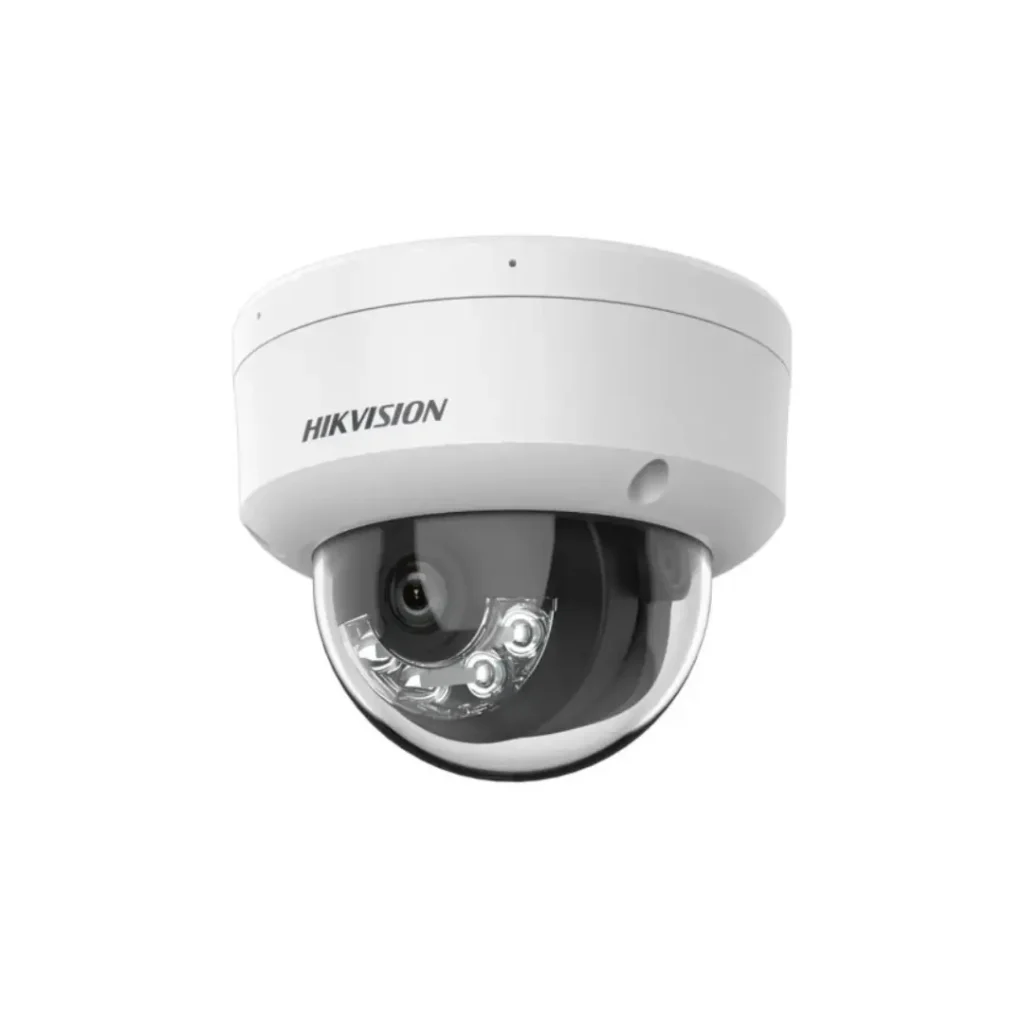
Verifying camera locations is one of the most important inspection tasks. SIRA inspectors ensure that all critical areas are properly covered and that no blind spots remain. Cameras must provide wide, clear views rather than partial images.
In 2026, SIRA will apply stricter coverage rules. Entrances must capture full body and clear facial shots, cash counters must have clear video quality, parking areas must show number plates, and all back doors, storerooms, halls, exits, and corridors must be visible. Cameras may be rejected if placed too high, too low, too close, or too far. Footage must be focused, stable, and clear, as dark, blurry, or overexposed images are unacceptable.

3. Checking Camera Types and Specifications
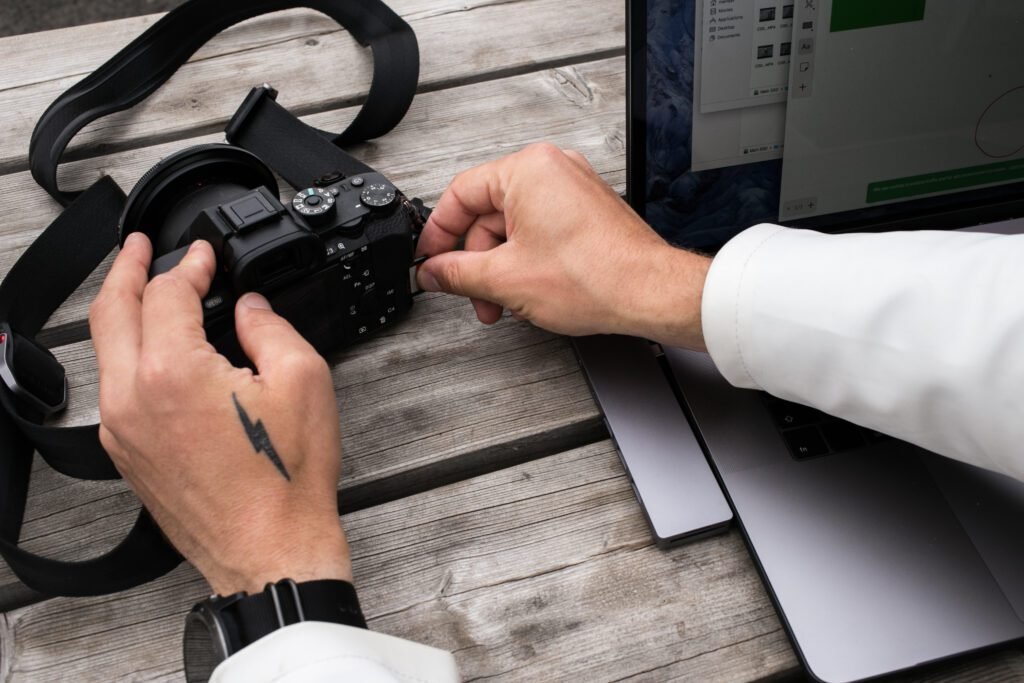
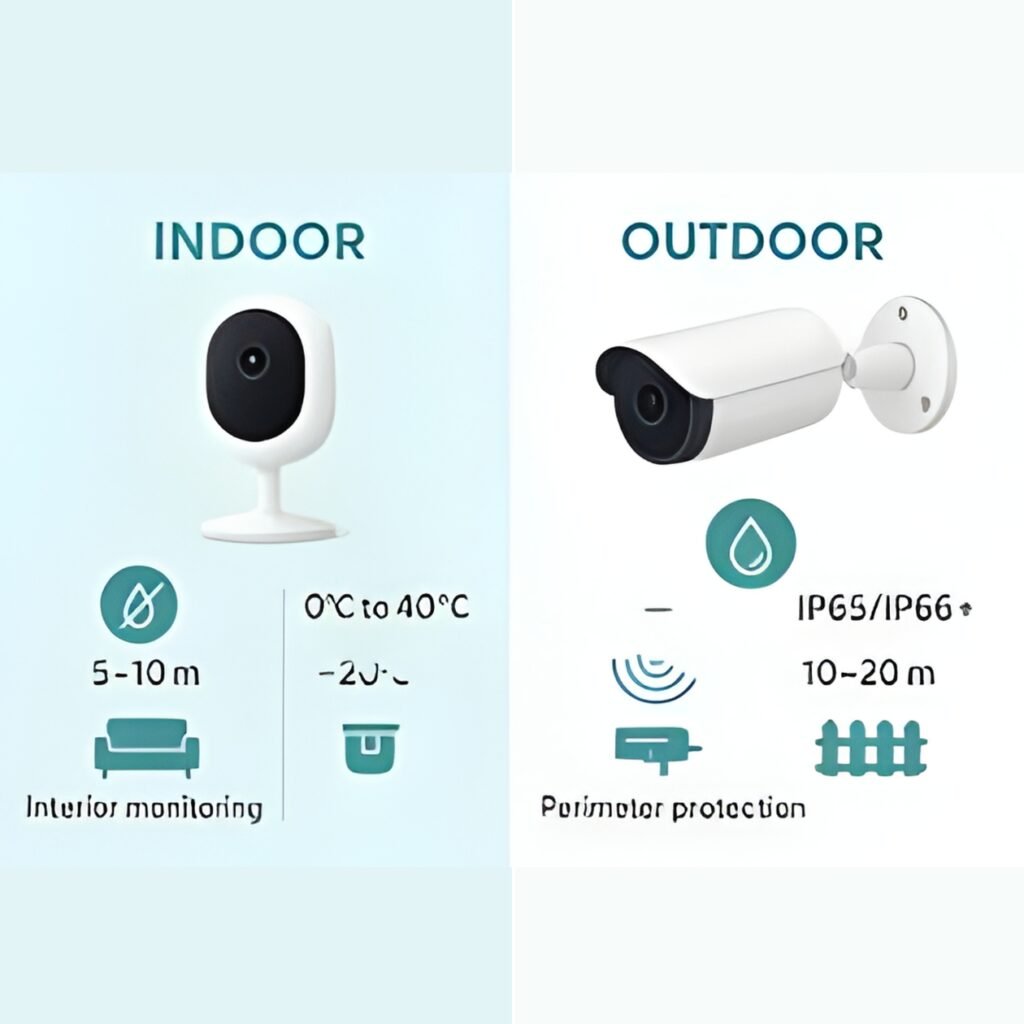
The type and specifications of cameras required in each place are clearly defined in the SIRA rules. The minimum megapixel requirements, infrared distance, weatherproof rating, and indoor/outdoor requirements will all be covered by these regulations starting in 2026. Inspectors confirm that the installed cameras meet these specifications.
For example, outdoor cameras must survive rain, heat, and dust. Indoor cameras need to record clearly in a variety of lighting situations. Storage rooms must be positioned carefully to prevent shadows. The inspection will fail if even one camera, even if it is operational, does not meet the necessary specifications. Long-term stability is more important to SIRA than short-term functionality.
4. Verifying Recorder, NVR, DVR, or Server Setup
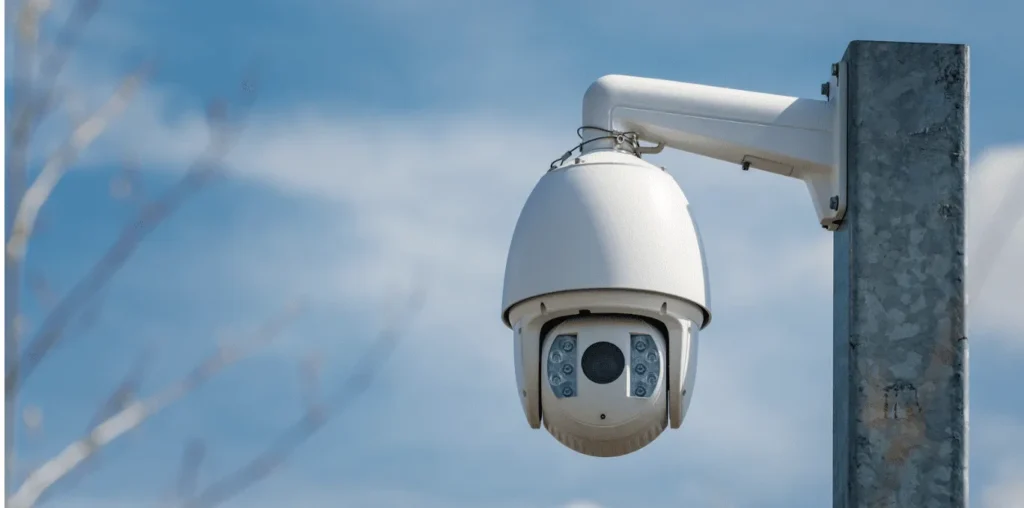
After confirming camera placement, inspectors check the recording system, including NVR, DVR, or other storage servers. They ensure all cameras are properly connected and that the equipment is SIRA-certified. Recording settings are verified to confirm continuous recording rather than motion-based recording.
Inspectors also test video quality, frame rate, and resolution to meet SIRA standards. Additionally, they confirm that recording devices are installed in a secure location, usually the control room, and are protected from unauthorized access.
5. Storage Duration and Hard Disk Verification
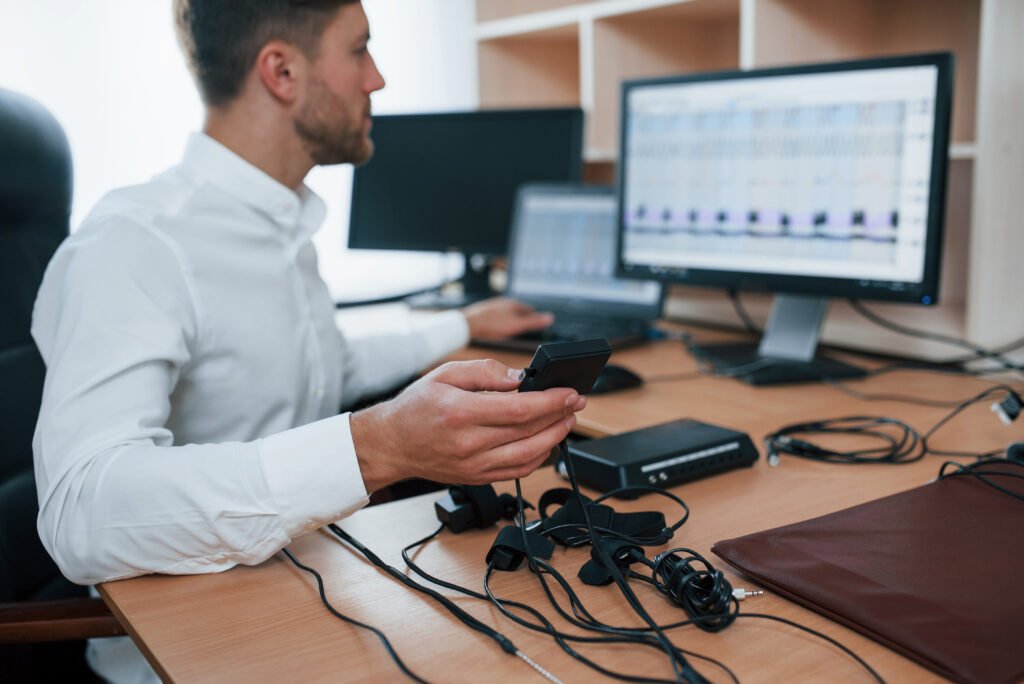
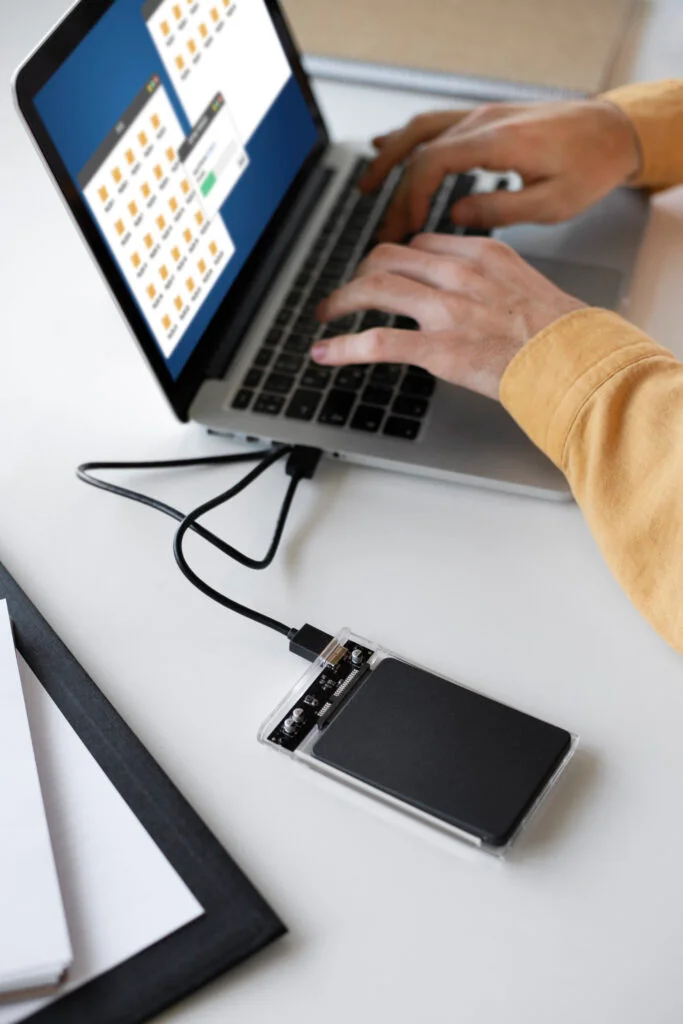
Depending on the type of property, SIRA authorities require a specific number of days for video storage. Some locations need storage for 30 days, some for 90 days, and some for longer. To make sure the system can store the necessary number of days without overwriting, the inspector verifies the hard disk capacity and storage calculation.
Additionally, they ensure that none of the hard drives are low-quality or remanufactured. There should be no mistakes or faults in the storage. To make sure the storage is operating correctly, inspectors may ask for a playback test of old video. SIRA expanded its redundancy regulations in 2026. In certain projects, backup storage might be necessary to protect the video in the event of a failure. When appropriate, inspectors look for this.
In some cases, storage verification overlaps with other security requirements including remote monitoring and network configuration which can be integrated as part of advanced CCTV & access control solutions to maintain continuous compliance across systems.
6. Examining Cable Quality and Installation Workmanship
An important part of system reliability is cabling. SIRA inspectors verify that every cable is put neatly, properly labeled, and protected from damage. Unprotected wiring and unsecured hanging cables are not allowed. The network’s cables must be of high quality and have a CCTV rating. Inspectors may also check patch panels, joints, and connectors.
Video or signal loss could result from faulty cabling. To ensure that future technicians are aware of the cable’s path, each cable must be clearly labeled. Because labeling helps in maintenance or inquiry, it is absolutely required. If the cabling appears messy, unprofessional, or exposed, they may also request that the wiring be replaced.
7. Testing the Live View and Playback
Inspectors verify live camera views to ensure all footage is clear and properly displayed. They test zoom, motion clarity, night vision, and playback quality. Random dates and times are checked to confirm continuous recording without missing footage. Any gaps, delays, or lag can result in immediate inspection failure.
They also ensure brightness and color quality meet SIRA standards. If audio recording is required at the property, inspectors confirm that the audio system is functioning properly. The recorded audio must be clear and synchronized with the video footage to ensure accurate monitoring.
8. Network, Internet, and Remote Access Verification
SIRA will prioritize secure network configuration in 2026. The inspectors ensure that the CCTV system is linked to a reliable and secure network. If necessary, the inspectors verify IP addressing, connectivity, and contact with SIRA’s monitoring platform.
Some buildings need remote viewing access that meets SIRA’s security guidelines. Inspectors make sure that remote access is secure, password-protected, and set up correctly. Additionally, they make sure that network devices like switches and routers are properly labeled and kept in a safe cabinet.


9. Checking the Control Room Setup
SIRA has very specific guidelines for setting up a control room. Only people with permission should have access to the control room, which should be locked and maintained safely. The space should have proper cooling, fire safety, and a constant supply of electricity.
The monitor configuration, furniture placement, cable arrangement, and overall room cleanliness are next investigated. They make sure the actual recording device is placed in a secure area of the space. The control room must have a specific layout and design at various facilities. Inspectors verify that the installation agrees with those specifications.
10. Power Backup and UPS Verification
A CCTV system cannot record a single moment without electricity, hence the power backup is important. SIRA requires that even in the event of an electrical problem, the recording must continue. The inspectors verify that the recording device and important cameras are connected to a suitable UPS or backup power supply.
In order to make sure the system will be able to function for enough time in the event of an outage, they then confirm the backup’s duration. Stable electricity in SIRA will be prioritized more in 2026 to prevent any video loss. If the backup is weak or missing, the inspection will fail.

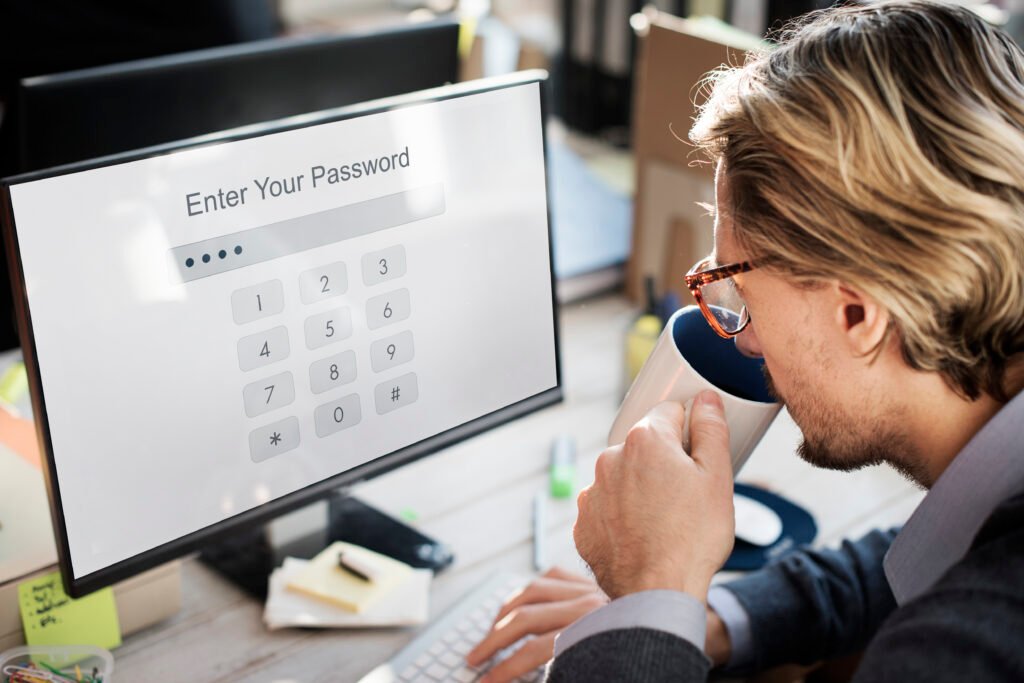
11. System Security and Password Management
More than ever, CCTV security is important. SIRA inspectors verify that the system is protected with secure accounts, strong passwords, and appropriate access control. It is never acceptable to use default passwords.
Additionally, inspectors confirm that the system is inaccessible to unapproved people. They will look for administrative configurations, user rights, and login accounts. SIRA will ask the installer to adjust everything before approval if the system has proper safety.
12. Final Walkthrough and Inspector’s Report
The inspector performs a last walk-through after checking all technical areas to make sure nothing is missed. They check recording devices, go over camera angles again, and make sure all rooms and areas are covered.
They write a thorough report after the inspection is over. This report includes the inspection’s findings, whether the location passed or failed, and any necessary repairs. They provide a SIRA NOC if the site passes. In the event of a failure, the installer must resolve the problems and ask for another inspection.

How to Pass SIRA Inspection on the First Attempt
Following the instructions from day one is the best process to pass a SIRA inspection on your first try. There is nothing to be concerned about if the design, equipment, cabling, and installation meet SIRA regulations.
Inspectors appreciate clean work, well-organized paperwork, properly labeled wires, and a functioning system. To further prevent surprises, the complete system should be tested before inspection. Smooth inspection results are always a result of good planning.
Common Reasons for Inspection Failure in 2026
Even in 2026, a lot of CCTV installations are failing due to basic problems.
- Wrong camera placement
- Poor cable quality
- Missing paperwork
- Incorrect system settings
- Messy installation
- Rushing to finish the job
- Not following SIRA design criteria from the beginning
- Lack of proper planning causing delays
- Lack of awareness of common inspection mistakes
Conclusion
SIRA inspections are very important to consider. Secure your system in Dubai and make it a high standard. A lot of people might be thinking that passing the inspection is a very difficult task. But in reality, it’s not as difficult as people think because installation only requires rules. People only need to consider the rules and follow them with proper planning.
SIRA inspectors check everything step by step, from documentation to camera replacement, cabling setup, recording area, storage, backup, and other security configurations. This blog guide explains everything about the inspection setup above. We tried our best to explain in simple wording so that installers, clients, and new technicians can easily understand.
The detailed guide covered SIRA inspections: what inspectors actually check on CCTV jobs (2026). Follow the above sequence and use the approved equipment that will make your project easily pass without an issue.
Frequently Asked Questions
What is SIRA, and why is it important for CCTV installations?
SIRA is a government agency in Dubai that regulates the security industry. It ensures that all CCTV systems follow proper standards so that they can provide reliable evidence during investigations. Without SIRA approval, many businesses cannot operate legally.
How long does a SIRA inspection take?
A typical inspection takes between one hour to several hours, depending on the size of the property. Larger buildings take more time because inspectors check every corner in detail.
What happens if the system fails the inspection?
If the installation fails, SIRA provides a report explaining the mistakes. The installation company must correct everything and request a re-inspection. No NOC is issued until the site passes.
Do I need SIRA-approved cameras?
Yes, only SIRA-approved brands and models can be used. If you install unapproved cameras, the inspection will fail immediately, no matter how well they work.
How can installers avoid inspection rejection?
It depends on camera count, resolution, and recording time. Generally, 1TB HDD stores 2–4 weeks of Full HD footage.